Anibal Troilo: Pichuco, the Greatest Bandoneon of Buenos Aires
目次
Anibal Troilo: the greatest bandoneon of Buenos Aires
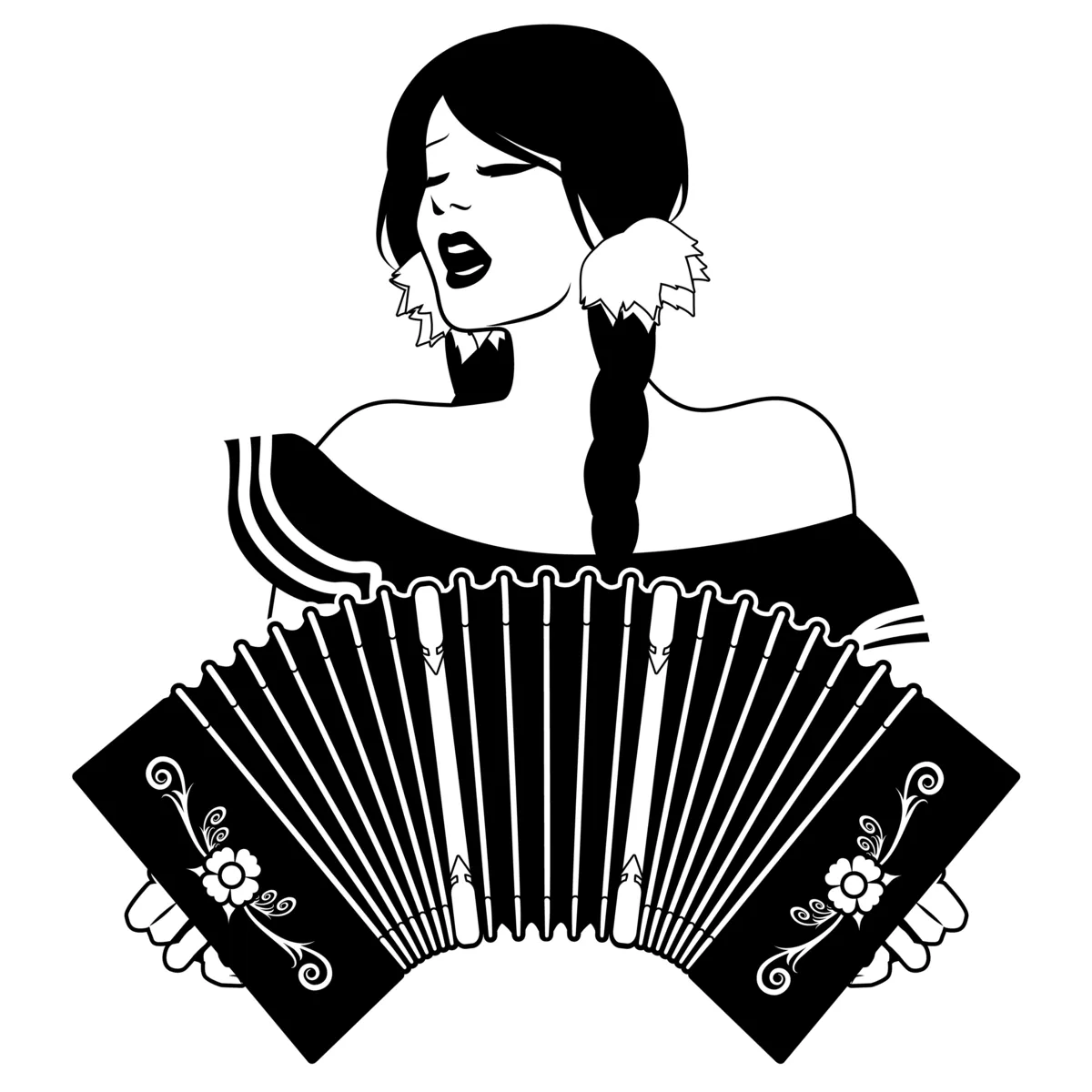
Argentina celebrates National Bandoneon Day every July 11. The date is a birthday: Anibal Troilo's. No law was needed to explain why. Troilo, Pichuco to the whole country, was the golden age's most beloved bandleader, and for porteños his instrument is simply "el bandoneon mayor de Buenos Aires", the city's first bandoneon.
The orchestra that had everything
Troilo formed his orchestra in 1937, at twenty-three, and for two decades it was the complete tango machine: rhythmic enough for dancers, refined enough for listeners, and above all a launching pad for voices. Francisco Fiorentino, Alberto Marino, Edmundo Rivero, Roberto Goyeneche, the greatest singers of the century came through Troilo's ranks, because nobody framed a voice like Pichuco. Dancers at any milonga still treat a Troilo tanda from the early 1940s as the golden age's center of gravity.
His arranger through the early years was a fierce young bandoneonist named Astor Piazzolla. Troilo kept trimming the youngster's over-ambitious arrangements so people could still dance; Piazzolla kept the lesson and the love, and later wrote a suite in his memory. The two men are the bridge across which tango walked from the dance floor to the concert hall.
The composer of the city's sadness
Troilo the composer wrote a handful of pieces that are the emotional core of the songbook: Sur (1948, with poet Homero Manzi), a walk through a vanished neighborhood that porteños treat as a second anthem; Barrio de Tango; Responso, his requiem for Manzi; and La Ultima Curda (1956, with Catulo Castillo), the definitive 3 a.m. tango. He composed the way he played: few notes, placed where they hurt.
Pichuco
The nickname and the man were one: heavy-lidded eyes, a handkerchief, a glass nearby, a bandoneon riding low on the knee. He was famous for weeping openly while playing and for a generosity that left him rich in friends and little else. When he died in 1975, Buenos Aires mourned him the way it had mourned Gardel forty years before: as family.
Where to start listening
- The 1941 recordings with Fiorentino: the golden age at its exact center
- Sur, sung by Rivero or Goyeneche: the anthem
- La Ultima Curda with Goyeneche: the late-night masterpiece
- His duet and quartet recordings of the 1960s-70s: the bandoneon alone, saying everything
For the era around him, start from what is tango.
Questions
Who was Anibal Troilo?
The golden age's most beloved bandoneonist and bandleader (1914-1975), known as Pichuco. His orchestra, formed in 1937, launched the era's greatest singers, and his compositions such as Sur and La Ultima Curda are pillars of the tango songbook.
Why is National Bandoneon Day on July 11?
Because it is Troilo's birthday. Argentina fixed the national day of tango's signature instrument to honor him.
What is Troilo's connection to Piazzolla?
Piazzolla joined Troilo's orchestra at nineteen as bandoneonist and later arranger. Troilo taught him the discipline of the dance floor; Piazzolla revered him and composed a suite in his memory after his death in 1975.
What are Troilo's most famous compositions?
Sur, Barrio de Tango, Responso, Garua and La Ultima Curda, most written with the great poets Homero Manzi and Catulo Castillo.