Osvaldo Pugliese: La Yumba, Prison and a Dramatic Orchestra
目次
Osvaldo Pugliese: the heartbeat called La Yumba
Ask stage dancers which orchestra they save for the final, most dramatic number, and the answer is almost always Pugliese. Osvaldo Pugliese (1905-1995) stretched golden-age tango to its expressive limit: a pounding, dragging beat, silences like held breath, and climaxes that feel like the floor tilting. The style has a name, taken from his 1946 masterpiece: La Yumba, a word coined to imitate the sound of his orchestra itself.
The communist at the piano
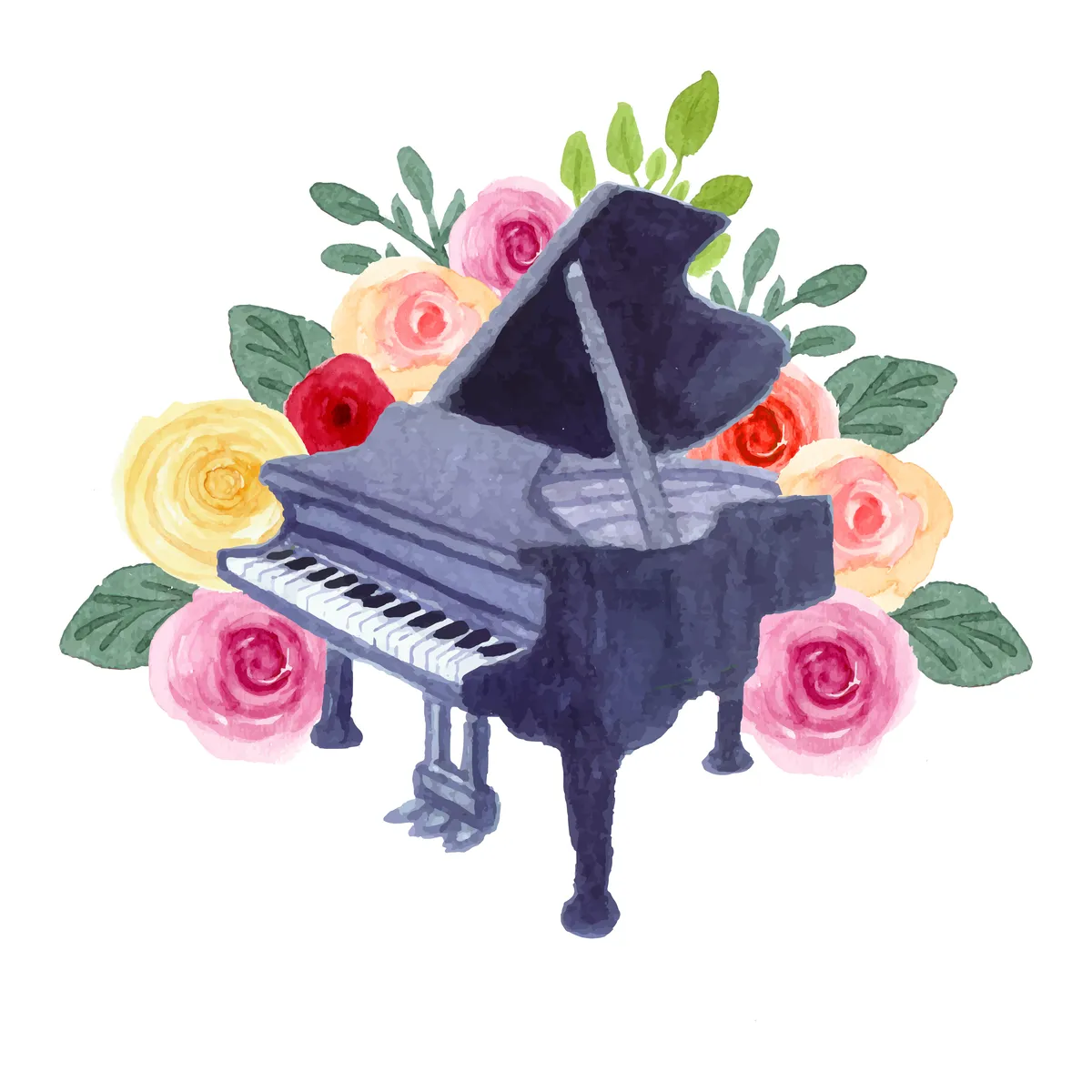
Pugliese was a lifelong member of the Communist Party, and Argentina made him pay. He was jailed repeatedly under successive governments, blacklisted from radio, and banned from performing. His orchestra played on without him, placing a bouquet of red carnations on the closed piano lid; audiences understood. The carnation became his symbol, and the story became one of tango's founding legends of dignity, the orchestra as family that waits.
He answered persecution with organization: his orchestra ran as a cooperative, sharing income among members, almost unheard of in the era of star bandleaders.
The sound
Pugliese trained the golden-age dance orchestra into a dramatic instrument: the yumba accent (a heavy first beat that seems to sink into the floor), extreme rubato, and arrangements that let individual players surge out of the mass. Pieces like La Yumba, Negracha and Malandraca (1940s) point directly toward the concert tango that Piazzolla would build a decade later, Piazzolla always named Pugliese as the master he revered. Social dancers treat a Pugliese tanda as the deep water of the night: you will hear why at any milonga.
Japan, the Colon, and the superstition
Pugliese toured Japan three times, in 1965, 1979 and 1989, one of the deepest bonds between Japanese audiences and any tango orchestra, and part of the history this Japan-based archive belongs to. In 1985, for his 80th birthday, Buenos Aires gave him the Teatro Colon, the opera house that had once been unthinkable for a persecuted tango communist.
And one more immortality: porteños invoke his name as a good-luck charm. Say "Pugliese, Pugliese" before an exam or a difficult night and misfortune stays away. Musicians tape his photo backstage. No other figure in tango became a working superstition.
Where to start listening
- La Yumba (1946): the manifesto
- Negracha and Malandraca: the experimental 1940s trilogy completed
- Recuerdo (his 1924 composition, in the mature orchestra's versions)
- The 1985 Teatro Colon live recording: the legend, standing ovation included
His place in the full story is mapped in what is tango.
Questions
Who was Osvaldo Pugliese?
An Argentine pianist and bandleader (1905-1995) whose orchestra defined tango's most dramatic style, built on the pounding yumba beat. He ran the orchestra as a cooperative and remained a beloved public figure despite political persecution.
What does La Yumba mean?
It is an onomatopoeia Pugliese coined for the heavy dragging accent of his own orchestra. The 1946 piece of that name became his signature and the model for dramatic dance-floor tango.
Why was Pugliese imprisoned?
For his lifelong membership in the Communist Party. During his detentions the orchestra performed with red carnations on the silent piano, which became his enduring symbol.
Did Pugliese perform in Japan?
Yes, three times: 1965, 1979 and 1989. His bond with Japanese audiences is among the strongest of any tango orchestra.
Why do people say his name for good luck?
In Buenos Aires folklore, invoking "Pugliese" wards off bad luck. The custom, born among musicians, made him the only tango figure who doubles as a working superstition.