SUBE Card: How to Buy, Load and Use It in Buenos Aires
目次
- What a SUBE card is
- Where to buy one
- Subte stations
- Kiosks (kioscos)
- Ezeiza and Aeroparque airports
- Do you need to register it as a foreigner
- How to load credit
- At a kiosk
- At a Subte station
- Through the app
- How to actually use it on a bus
- On the Subte
- What if you run out of credit
- Where is my bus right now
- Does the SUBE card work outside Buenos Aires
- Frequently asked questions
- Related
You cannot pay cash on a bus in Buenos Aires. Not on any bus, not for any amount. If you get on without a SUBE card, the driver will tell you to get off.
This catches almost every visitor once. Here is everything you need, from people who use these cards every day.
What a SUBE card is
SUBE is a rechargeable plastic card that pays for buses, the Subte (metro) and commuter trains across Buenos Aires and much of the country. One card, all three.
It is a physical card. You tap it on a reader when you board and, on the bus, you tell the driver where you are going first so the fare can be set.
There is no tourist version, no daily pass and no unlimited ticket. You load money onto it and each ride deducts the fare.
Where to buy one
Three places, in order of how likely they are to have stock.
Subte stations
Every station ticket window sells them. This is the most reliable option and the one to use if you arrive during the day.
Kiosks (kioscos)
The small shops on almost every corner. Look for a blue and white SUBE sticker in the window. They sometimes run out.
Ezeiza and Aeroparque airports
Both have SUBE points, but the hours are limited and the queues can be long after a wave of arrivals.
The card itself costs a small amount, paid once. You will be asked to pay in cash for the card in most kiosks.
Do you need to register it as a foreigner
No, not to use it.
An unregistered card works. You can buy one, load it and ride immediately. Registration matters for two things: recovering the balance if you lose the card, and qualifying for the discounted social fare, which does not apply to visitors.
If you want to register anyway, it is done on the official SUBE site or app with a passport number. For a trip of a few days, skip it.
How to load credit
At a kiosk
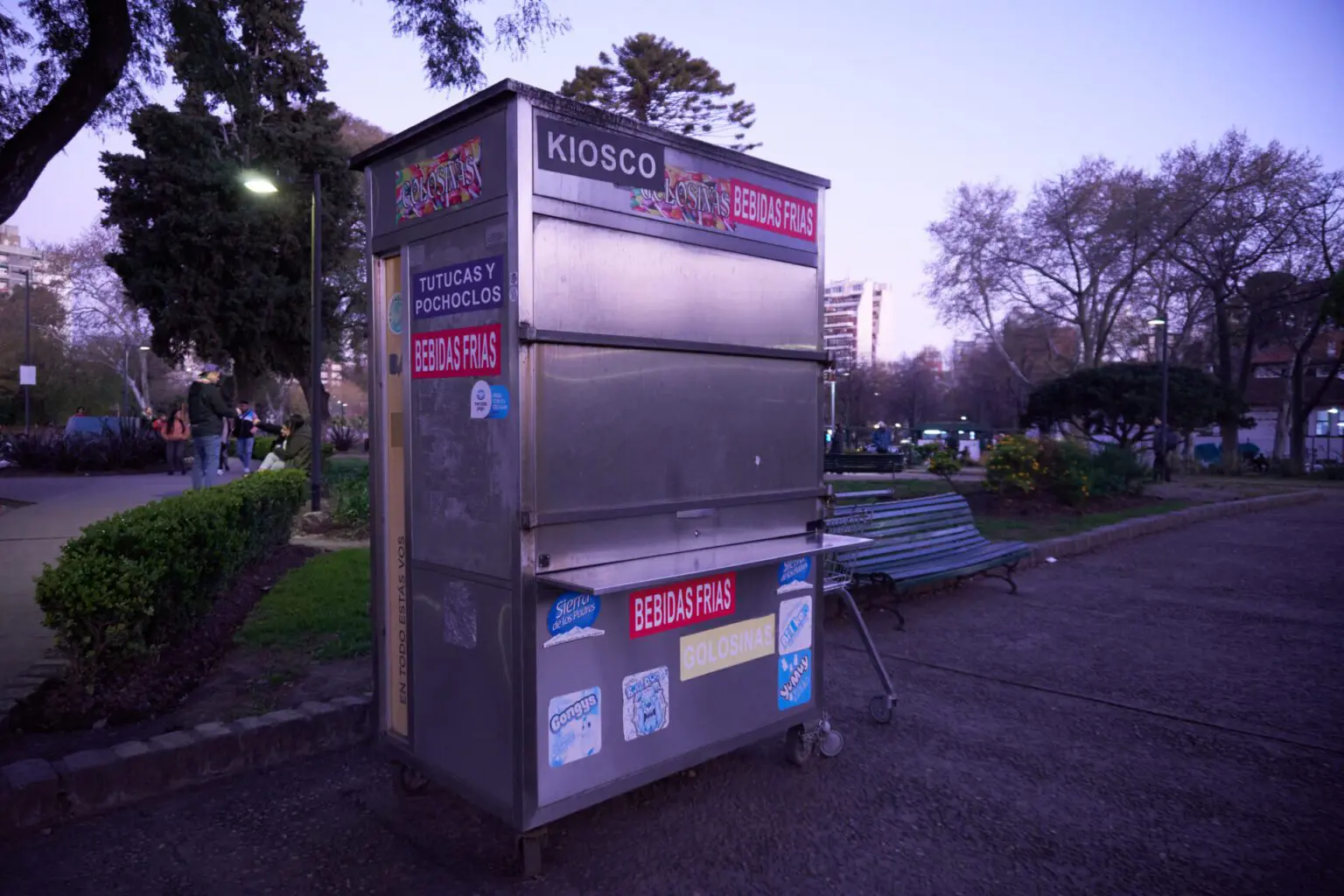
Hand over the card and the amount in cash. They tap it on a small terminal and hand it back loaded. This is the fastest method and works everywhere.
At a Subte station
Machines and ticket windows both load cards. Machines often take cash only.
Through the app
The official SUBE app can load credit if your phone has NFC. After paying you must hold the card against the phone to transfer the credit. Note that many foreign cards are rejected by the payment step, so do not rely on this as your only method.
How much to load: think in terms of number of rides rather than a fixed sum. A week of moderate use is a few dozen rides. Loading more than you need is not a problem, but the balance is not refundable in cash.
How to actually use it on a bus
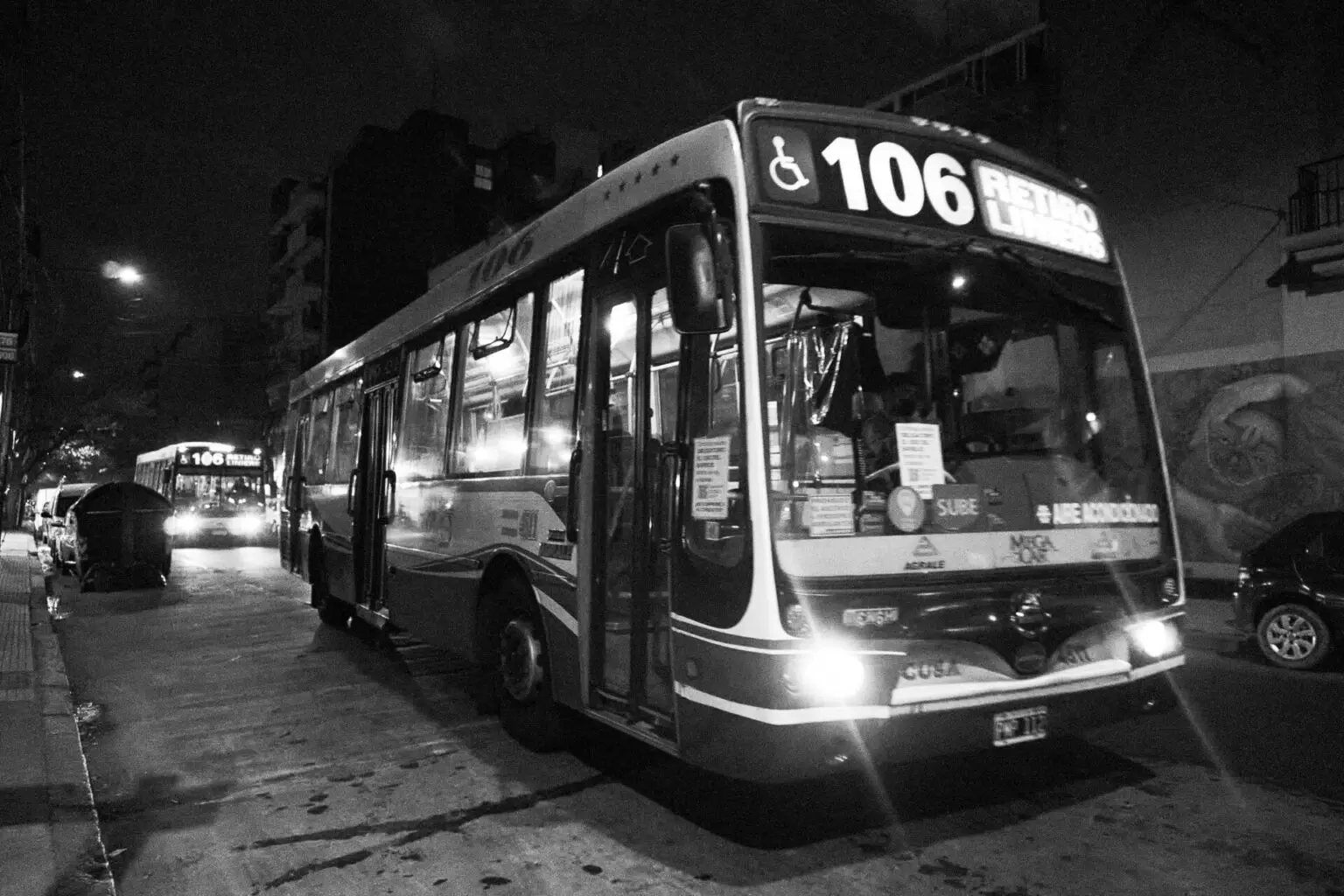
This is the part that is not obvious.
- Wait at the stop and put your arm out when you see your bus. Buses do not stop unless someone signals. This is the single most common mistake visitors make.
- Get on at the front door.
- Tell the driver your destination before tapping. Say the street name or the neighbourhood. The fare depends on distance, so the driver sets it on the machine first.
- Tap the card on the reader. Wait for the beep and check the small screen shows the fare taken.
- Press the button near the door before your stop. Buses do not stop automatically.
If you do not know how to say your destination, showing it on a phone screen works. Drivers deal with this daily.
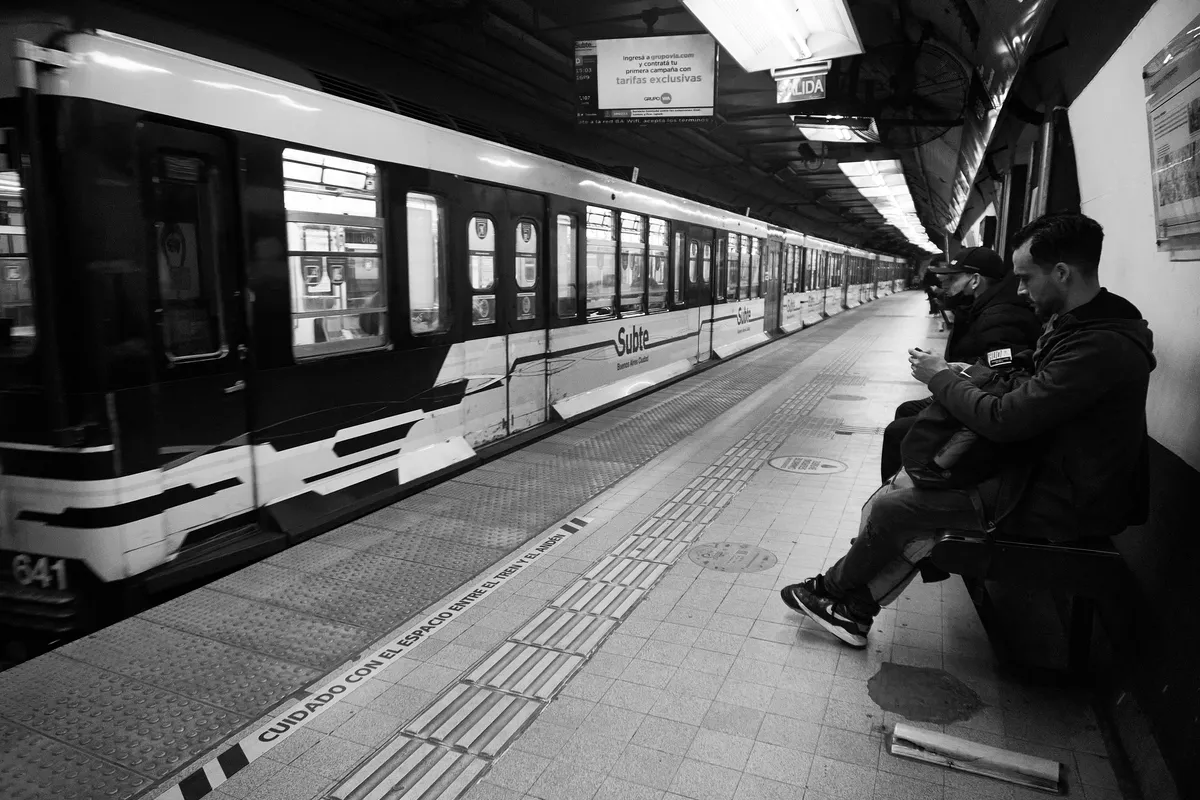
On the Subte
Simpler. Tap at the turnstile and go. The fare is flat regardless of distance, and there are no exit gates that need the card.
Six lines, named by letter: A, B, C, D, E and H. Trains run roughly from 5:30 to 22:30 on weekdays, with shorter hours at weekends.
What if you run out of credit
Buses allow a small negative balance, so you are usually not stranded mid-journey. The next time you load, the debt is deducted first.
The Subte does not allow this. If the balance is too low at the turnstile, you cannot enter and will need to load at the station.
Where is my bus right now
The routes in Buenos Aires are dense and the maps at the stops are not always current. What actually helps is seeing where the buses are.
Our map shows every bus in the city moving in real time, along with the six Subte lines, official crime data by area, and Ecobici bike docks with the number of bikes available right now. It runs in a browser. There is nothing to install and no account to create.
Turn on the layer called Live buses to see the buses. Subway (Subte) adds the metro lines. If you are working out whether a walk to the stop is sensible after dark, the Safety layer shows the city's own crime figures by area.
Does the SUBE card work outside Buenos Aires
In many cities, yes. SUBE has been rolled out across much of Argentina, including Córdoba, Rosario, Mendoza and Mar del Plata. Coverage varies by operator, so it is worth asking locally rather than assuming.
The card does not expire, so if you return to Argentina, the same card still works.
Frequently asked questions
Can I pay cash on a bus in Buenos Aires?
No. Buses in Buenos Aires accept only the SUBE card. There is no cash fare and no paper ticket. Without a card you cannot board.
Where do I buy a SUBE card?
Subte station ticket windows are the most reliable. Kiosks with a blue and white SUBE sticker also sell them, as do points at Ezeiza and Aeroparque airports, though airport hours are limited.
Do I have to register the card as a foreigner?
No. An unregistered card works immediately. Registration only matters for recovering a lost balance and for discounted fares that do not apply to visitors.
How do I load credit?
The fastest way is at a kiosk: hand over the card and cash. Subte stations have machines and windows. The official app can load credit if your phone has NFC, but many foreign payment cards are rejected.
How do I use it on the bus?
Put your arm out to stop the bus, board at the front, tell the driver your destination so the fare can be set, then tap the card and wait for the beep. Press the button before your stop.
What happens if I run out of credit?
Buses allow a small negative balance, so you are usually not stranded. The Subte does not, and you will need to load at the station before passing the turnstile.
Does the SUBE card work in other Argentine cities?
In many of them, including Córdoba, Rosario, Mendoza and Mar del Plata. Coverage depends on the local operator, so ask before assuming.
How can I see where my bus is?
Our map shows every bus in the city moving in real time, in a browser, with nothing to install. Open the map and turn on the Live buses layer.